
How Much Does a Micro Wedding Cost?
As the popularity of micro-weddings continues to grow, we’ve had countless conversations with couples about why they’ve chosen this route for their wedding day. As a micro-wedding planning and photo team, one of the first questions we ask when someone inquires with us is simple:
What led you here?
Across the board, the answer is pretty consistent: cost overwhelm in the early stages of wedding planning. And we get it, truly! The idea of spending tens of thousands of dollars on a single day can be a lot to conceptualize, especially as you are just starting to build the bones of your vision.
Many couples then look to micro-weddings as a way to relieve some of this stress. But there’s one assumption we hear often that as a planner, I feel the need to address.
The guest count myth.
A common belief we see is that if you cut your guest list in half, the cost of your wedding will follow suit. It’s an easy conclusion to draw, and not the easiest pill to swallow when you learn that it’s a bit more nuanced than that.
While micro-weddings can be, and often are, less expensive than a traditional wedding, the truth is that some components of your wedding budget remain consistent whether you have 30 guests or 300.
So what does it actually look like to invest in a micro-wedding?
While there’s no one-size-fits-all answer, this guide is here to help you understand how to build a budget that reflects your priorities, feels attainable, and sets realistic expectations along the way.
A micro-wedding budget isn’t about cutting corners or doing things “for cheap.” It’s about reallocating resources. Instead of spreading your investment across a large guest count, you’re choosing to invest more deeply in the experience itself — the setting, the vibe of the day, the food you linger over, and the moments you and your guests will look back on for years to come.
When you build your micro-wedding budget, think less about removing — and more about what you’re intentionally choosing to include.
What is a Micro-Wedding?
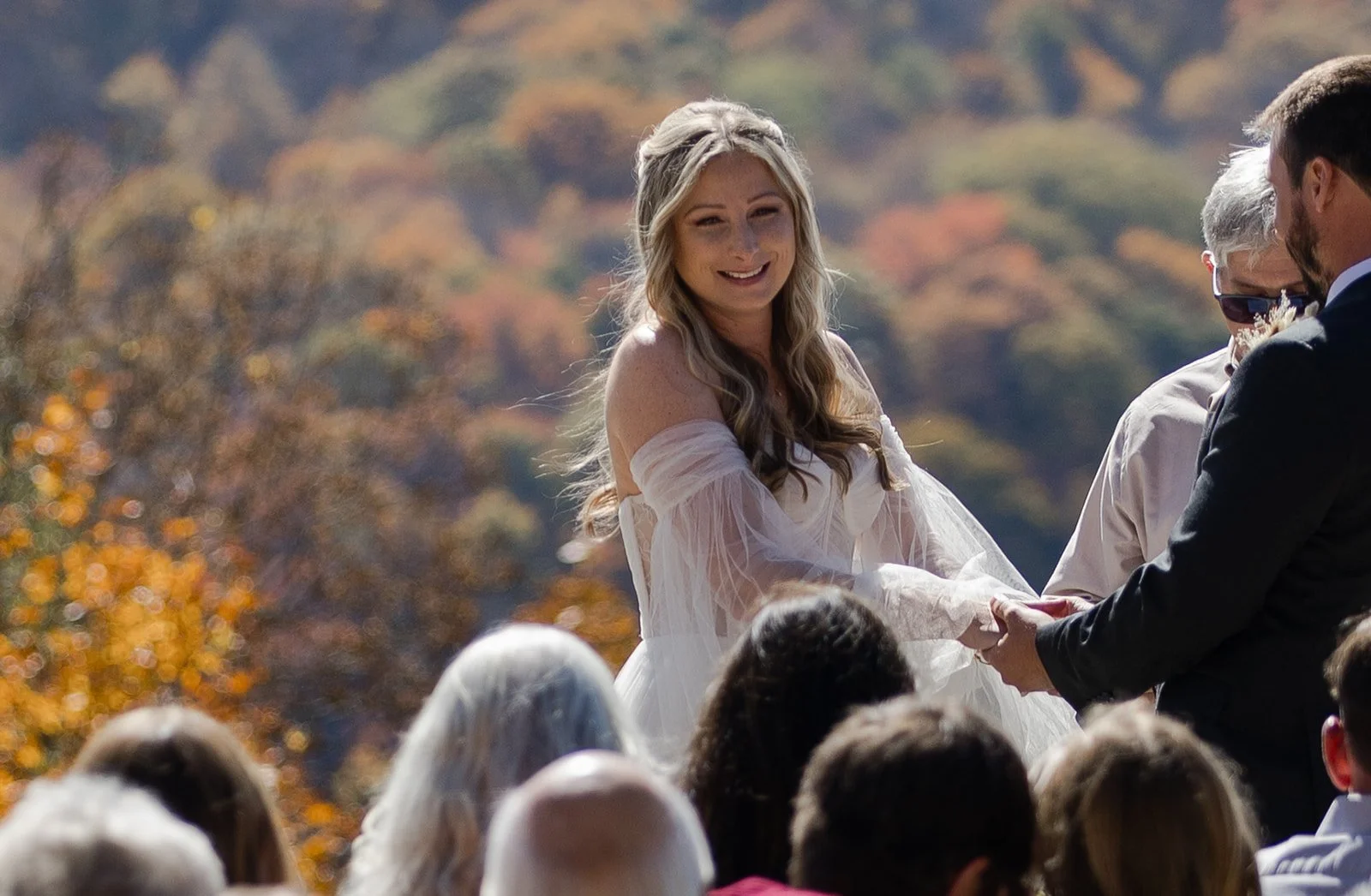
Definitions vary, but for the purposes of this conversation, we define a micro-wedding as a celebration with approximately 10–50 guests. It lives in the space between an elopement and a traditional wedding: intimate by design, yet intentionally structured.
Generally speaking, a micro-wedding involves some form of venue and a greater level of vendor support than an elopement would. While it doesn’t need to follow a traditional wedding timeline, we often see a similar flow: a meaningful ceremony followed by a shared celebration.
Comparison to Traditional Wedding
The projected average cost for a traditional wedding in 2026 nationally is $36,000 (according to Zola). The actual cost ranges significantly depending on where in the country you are located and guest count, amongst other factors. It is not uncommon for traditional weddings to cost upwards of $50k, or even $100k!
When looking at the higher end of the spectrum for these costs, there is no question that a micro-wedding can cost significantly less. However, it is important to remember that certain vendors jobs remain consistent despite guest count:
Take the following:
Your DJ is still setting the vibe for the duration of your celebration.
Your hair and makeup artist is investing the same materials and time into your bridal look.
Your officiant is still putting the same care into crafting your ceremony.
Your photographer is capturing the same amount of photos every hour.
Your planner is still coordinating vendors, timelines, and logistics from start to finish.
Your bartender and catering team are still delivering the same level of service and quality.
Your furniture rentals are still traveling the same distance to arrive at your venue.
These are experience-based services, not per-person ones. Understanding this upfront can help you navigate vendor pricing with more clarity and fewer surprises.
However, that is not to say you won’t see a cost difference in any category. What you can expect to cut back on for micro-wedding costs are:
Fewer meals to serve.
Fewer servers & cooks needed for dinner.
Fewer bartenders (and less alcohol) needed to keep the bar running.
Fewer tables, chairs, and other rentals to accommodate your guests.
Access to smaller venues with lower costs, or smaller packages at more traditional venues.
Less florals & decor needed to fill the space.
Ultimately, if the reason you are choosing a micro-wedding is for a lower price tag, figuring out your priorities and budgeting accordingly is the way to go!
Identifying Your Priorities
Before thinking about numbers, spreadsheets, or vendor outreach, I always encourage couples to slow down and talk. Not about what your wedding should look like, but about what you actually want the day to feel like.
Set aside some uninterrupted time with your partner and start with the big picture. A few questions to guide the conversation:
What is the very first thing that comes to mind when you imagine your wedding day?
What do you want the energy of your ceremony to feel like?
What do you want the celebration that follows to feel like?
What kind of setting are you picturing?
How do you want your guests to feel while they’re there?
And just as importantly, how do you want to feel?
I recommend jotting down notes as you talk. Often, the most helpful insights come not from the answers themselves, but from the conversations they spark.
Another exercise we love during this stage is a simple “this or that” comparison.
When you look at the components of a wedding side by side, it becomes easier to understand what you value most.
For example:
Would you rather invest in a beautifully curated meal — or have an experienced coordinator ensuring dinner flows seamlessly?
Is it more important to have a visually striking ceremony setting — or a celebration that keeps the energy high well into the night?
You may find that some elements feel equally important, and that’s okay! Continue comparing them against other parts of the day until a clear hierarchy begins to form.
Eventually, you’ll want to create a priority list, from highest to lowest, pairing each one with the vendor or category that supports it. This becomes an excellent point of reference as you move into venue selection and vendor outreach.
For example, if you determine your priorities are the look of where your wedding is set, the food that you serve, and the personalization of your ceremony, but you don’t care much for the music that is being played or the flowers on the tables, than your vendor priorities look like:
Venue
Catering
Officiant
DJ or live music
Florals
This doesn’t mean you’ll spend the most on your top priority and the least on your last. What it does mean is that your decisions will feel clearer, your expectations more aligned, and your budget far more intentional.
And in our experience, that clarity makes the entire planning process feel easier.

Venues & Your Budget
There are no shortage of venues that can accommodate your micro-wedding! From land trusts and public pavillions, to vacation rentals and lodges, to ski resorts and traditional venues, the options are abundant. It is important first and foremost to have a clear idea of what your vision for your venue is, and a general idea of where you would like your venue to be.
Budget Considerations for Your Venue
When evaluating venues, one of the most important steps is identifying what is included in the price tag. A $15k venue may initially feel like more than you are wanting to spend, but ultimately may end up being the same investment as the $5k venue that has much less included in the rental cost. Things like furniture rentals, linens and dinnerware, staffing, a bar, etc are great things to look for when selecting a venue to fit your budget.
Vacation Rental Weddings
As a planner, I highly recommend a vacation rental wedding! They offer a great blank canvas for your micro-wedding, and we love how easily you can structure your wedding day timeline to be everything you want it to be and nothing that you don’t. From a budgeting perspective, vacation rentals can be appealing because they naturally combine two major line items: venue and lodging. Rather than paying separately for a venue rental and accommodations, you’re often able to both host your wedding, and stay onsite with your closest people. For many couples, this not only simplifies logistics but also creates a more intimate, shared experience that extends beyond a single day!
I am also seeing many vacation rentals begin to dive in to the micro-wedding scene, investing in things like additional tables & seating, and being open and willing to work with you to accommodate your desires for their space. For example, a vacation rental that we recently worked with allowed our couple to entirely rearrange the furniture in the space to accommodate an indoor ceremony to keep us out of the snow, and also had a full storage room of tables, chairs, and surplus decor items that they provided us unlimited access to! A different vacation rental from a fall micro-wedding had a stock of tables and chairs and large wedding tents that they provided access to and set-up/tear-down of for significantly cheaper than industry price.
I do highly recommend if you follow this route to invest in a planner with day-of-coordination services. Without having a venue staff, I promise they will be worth their weight in gold!
Selecting Your Venue
If you are unsure of what you want your venue experience to be, or want to evaluate all options within your budget, I recommend reaching out to a wide range of venues to gather their pricing information and offerings. You also do not need to have a venue solidified to find your planner! We are pros in venue selection and can offer you plenty of guidance in this process.
Budgeting For Your Vendors
Once you have identified your priorities and have an idea of which vendors you are interested in utilizing for your micro-wedding, it is time to dive into the research phase! If you haven't already, solidify your wedding planning service (I recommend utilizing a wedding planner who specializes in micro-weddings). Your micro-wedding planner will help you to navigate the rest of the vendor research process, making your job much easier!
Also, it is important to note that there are absolutely no requirements regarding what you need to have at your micro-wedding. There are certainly some expectations from a guest perspective, the key one being that there is some kind of food available during the event. But, you do not need to feel obligated to utilize a vendor just because they exist. Let your priorities inform which vendor services you are choosing to utilize. Like I said earlier, think about building your experience, rather than removing things from it.
How to Find Your Vendors
Vendor research can quickly turn into an endless Google rabbit hole, but it doesn’t have to. One of the most valuable tools you can lean on is your planner. Many planners offer either a thoughtfully curated vendor guide (I build mine specifically for each client, based on their priorities, needs, and who is available on their date) or a trusted list of local recommendations. Your venue may also provide a preferred vendor list. If they don’t, browsing the websites of similar venues in the area can still offer helpful leads.
If you’re expanding your search on your own, Google can absolutely be useful. Just be specific! Searching something like “farm-to-table micro-wedding catering in Boulder, CO” will surface vendors far more aligned with your vision than a broad search like “wedding catering Boulder.” No matter the vendor, take time to read reviews and look for consistency in experience, communication, and professionalism.
For vendors you’ll spend the most time with, like your photographer and planner, don’t rush the process. Schedule calls, ask questions, and take time to connect. When every guest at your wedding is intentionally chosen, your key vendors should be too. They’re not just there to provide a service; they’re part of the energy of your day. The right fit will feel supportive, grounding, and genuinely good to be around.
Vendors to Consider & Associated Costs
As previously mentioned, your micro-wedding does not have to follow any specific structure, and therefore doesn’t require you to book any specific vendors. This section is meant to inform what you can expect when looking for vendors that I frequently see couples use.
Think of this as a menu, not a checklist. Some couples will prioritize just a handful of vendors; others will build a more layered experience. There is no incorrect approach!
Planning & Coordination
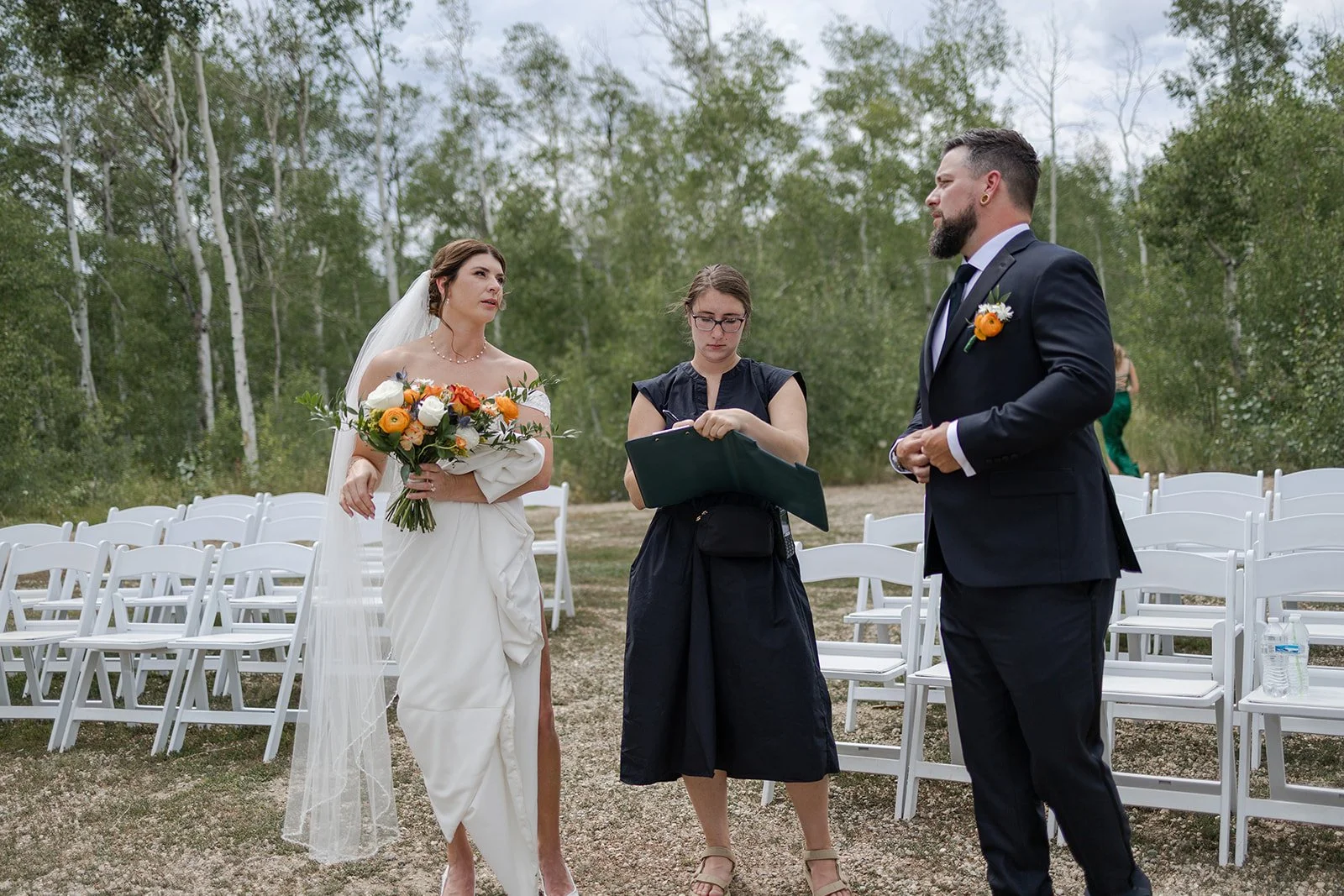
Even the most intimate weddings benefit from a planner or coordinator, especially when logistics extend beyond a traditional venue.
Common options include:
Full-service planning
Partial planning
Month-of or day-of coordination
Typical investment: $2k-$5k+- varies based on type of service and experience level of planner
A planner helps ensure your day feels effortless—not overly managed.
Photography
Photography is often the highest investment for micro-weddings, and for good reason. Your photographer is with you for the most intimate moments of the day and plays a major role in shaping the experience.
Typical investment: $3k-$7k+, varies based on package length and level of experience
Investing in an experienced photographer is essential to both the quality of your wedding day experience and the way you will reflect on the day for your lifetime together.
Catering
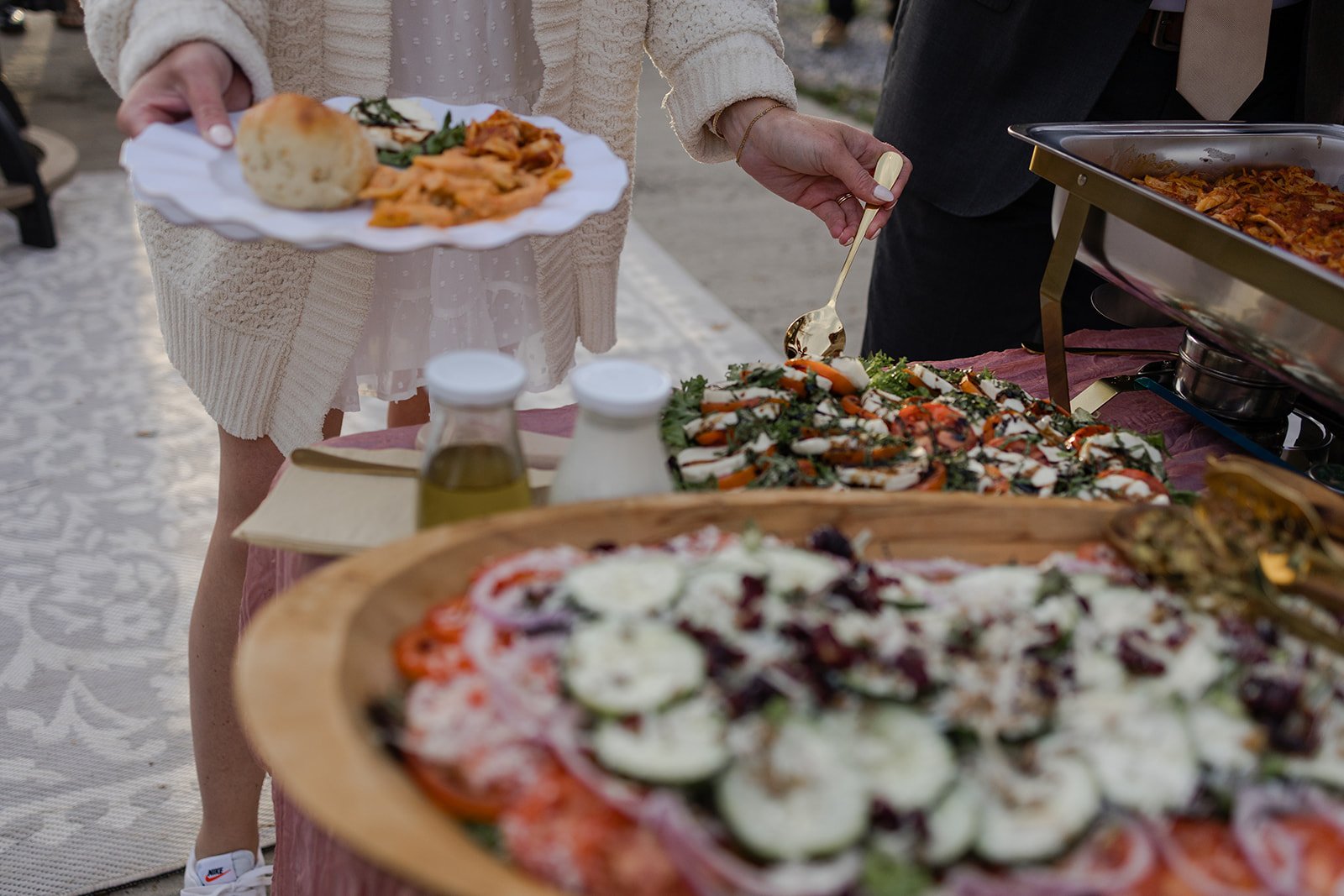
Micro-weddings allow for a wide range of food experiences, from elevated catering to casual, shared meals. We’ve seen everything from multi-course plated meals, to pizza trucks, to taco bars picked up from a local joint. Because of this, it is difficult to pinpoint a typical investment.
Common options:
Full-service catering ($$$)
Private chef ($$$$)
Family-style or grazing tables ($$)
Pick-up catering from a local restaurant ($)
Because many caterers operate on minimums, fewer guests doesn’t always mean a lower overall cost—but it can allow for higher-quality ingredients or more personalized menus.
Other costs to consider include travel fees, staffing costs and gratuity.
Hair & Makeup
If you are not confident in your abilities to do your own hair and makeup for your micro-wedding, I recommend this investment so you can feel fully confident and beautiful for the entirety of your day.
HMU artists often have service minimums, especially if you are looking for a weekend or peak season date.
Typical Investment: $250-$500/ per bridal service, $200-$300 per attendant service
Other costs to consider include travel fees and gratuity.
Officiant
If you would like to invest in an officiant service, consider how personalized you would like the ceremony to be. Many of the higher-end officiants have carefully curated processes to get to know you and your partner and build a ceremony that is uniquely you.
Typical Investment: $600-900+
DJ
If you’re looking to curate a dance party vibe, or even just keep the energy flowing without having to worry about curating a playlist, a DJ can be a great investment! It is imperative to choose a DJ who fits your vision, as they will be a heavy influence on the overall feeling of celebration.
Typical Investment: $1200-$2500+
Other Vendor Options
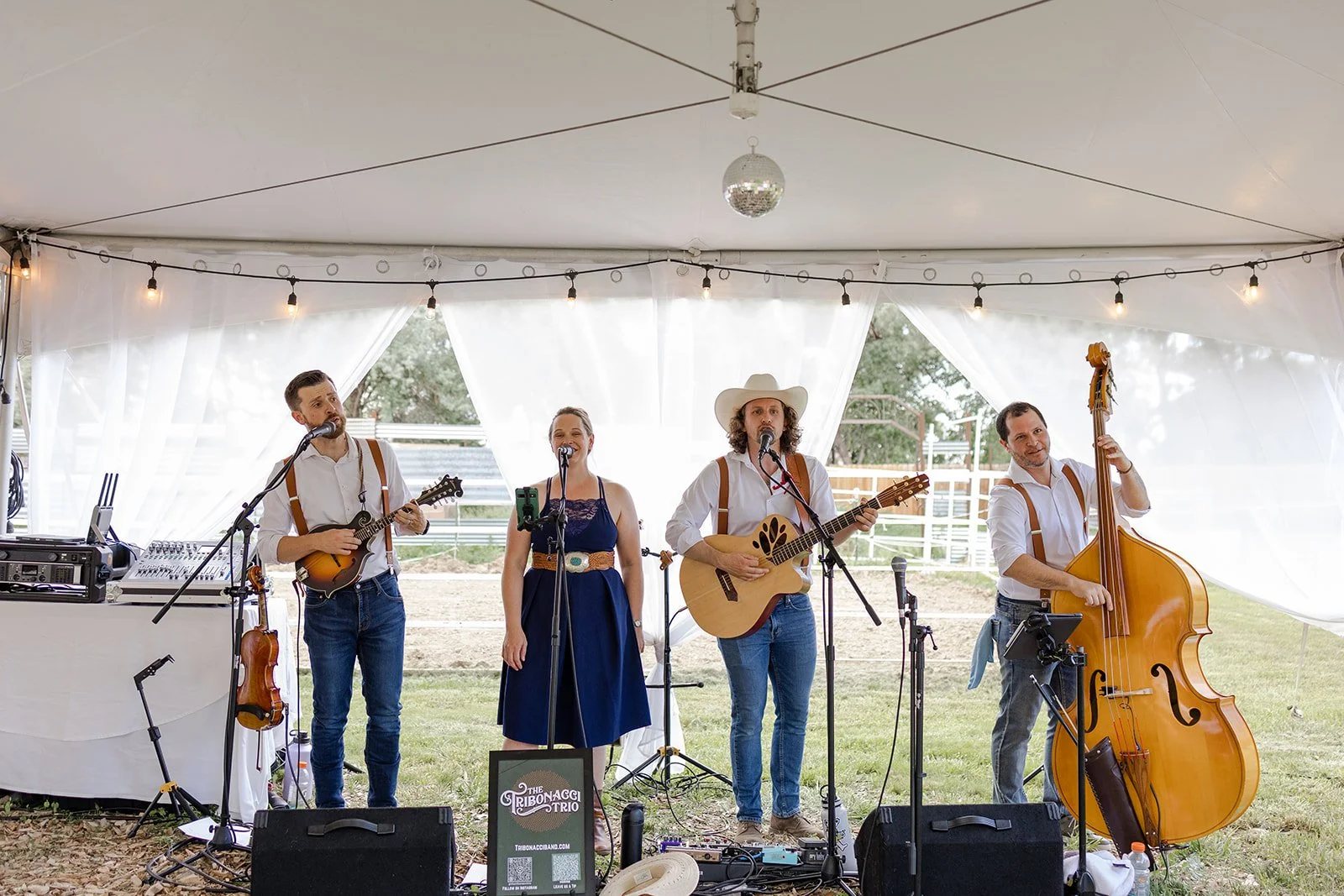
Some other vendors we have seen include videographers, content creators, live musicians, bakeries, florists, and decor & furniture rentals.
Sample Budgets
Here are a couple of budget breakdowns aligned with micro-wedding budget I frequently work with.
The $20k Budget (for 25 guests)
Vacation Rental Venue Cost: $6k for 3 nights
Catering Cost: $3k
Officiant: $750
Hair & Makeup: $1500
Furniture Rental: $550 (including delivery)
Dessert: $150
Florals: $750 (DIY+Purchased bouquet)
Additional decor: $300
The $30k Budget (for 40 guests)
Venue Cost: $8k (includes tables and seating)
Catering Cost: $5k
Officiant: $800
Hair & Makeup: $1500
DJ: $1600
Accommodation: $1600 (for 3 nights)
Florals: $1200 (faux arrangements, custom bouquet)
Decor: $400
Dessert: $400
Alcohol & Permit: $1100
Low-Budget Micro-Wedding Tips
Looking for ways to cut back on costs, without dulling your micro-wedding experience? Here are some of my favorite tips that I recommend to my couples!
DIY Florals
If florals are not a huge priority for you, avoiding the floral minimums that many florists have is a great way to cut some costs down. Some options here include:
Ordering or purchasing bulk flowers to arrange yourself.
Curating combinations of faux florals from companies like Ling’s Moment, or from artists on Etsy.
Wandering around your local craft store with your partner, selecting the faux flowers you like most.
Having a “flower arranging” party the day before your wedding! Put one your favorite tunes, order some pizza, and invite your people to come help you fill bud vases and arrangements of flowers you’ve purchased from the local Trader Joe’s.
Finding a florist that has an a la carte option, so you can pick and choose which pieces you would like without needing to meet a minimum.
These approaches can be super fun, and add to the experience of your day! I do highly recommend that if you are choosing to build your own bouquet, that you knock out a few practice runs before the wedding!
Curating Playlists
If it is not a priority to you to have a DJ-led dance party, work together to build the perfect playlist for your micro-wedding! I recommend creating different playlists for different points of the day. Some examples include:
Your pre-ceremony and ceremony playlist for soft and romantic- vibes.
Your post-ceremony & dinner playlist for easy-listening and background tunes.
Your celebration playlist for keeping the vibes high.
This is a fun date night task, or something you can begin building on early in the planning process. Whenever you hear a song that fits, just add it to the list! It can also be fun to give some of your closest people access to add their faves as well!
On your micro-wedding day, make sure you have a device dedicated specifically to playing music. You won’t want to worry about having your phone unavailable all day. It is also important to designate the task of handling the music to a specific person. I often offer my services to keep the playlists on track as your day-of-coordinator.
Ask Someone Close to You to Officiate
Remove the cost of an outside officiant by asking someone you trust to facilitate your ceremony! It is important to check your state laws to ensure that an online-ordination is enough to validate your marriage license.
Some professional officiants offer officiating assistance services. If you want to provide your selected officiant with quality advice, this is a great option!
Some tips here: make sure you are selecting someone who you trust to write a strong ceremony, align with your preferences and choices, and not get too emotional during the ceremony.
Curate Your Decor Intentionally
Decor can be multi-use! Find pieces that can move between the different spaces you spend your day. Be intentional about what you are choosing, and have an idea of where it is going before you purchase it.
Everything does not need to be purchased new! Hit up your local thrift stores, or you can find many people reselling their wedding decor on platforms like Facebook Marketplace.
Choose Meaningful Keepsakes over Favors
A handwritten note at everyone’s seat will mean more to your people than a bottle opener with your wedding date inscribed on it ever will! You intentionally selected everyone present, which means what your gift to them can be a lot more personalized.
Select Your Date Wisely
Consider opting for a weekday! With less guests to coordinate, and a closer relationship with each one, it is more than likely the bulk of your people would be willing to attend your weekday wedding. Venue costs can be thousands cheaper for Mondays-Thursdays. You are also more likely to find flexibility with vendors on their service minimums. A larger variety of venue and vendor options will likely be available to you, making it easier to select vendors in your budget.
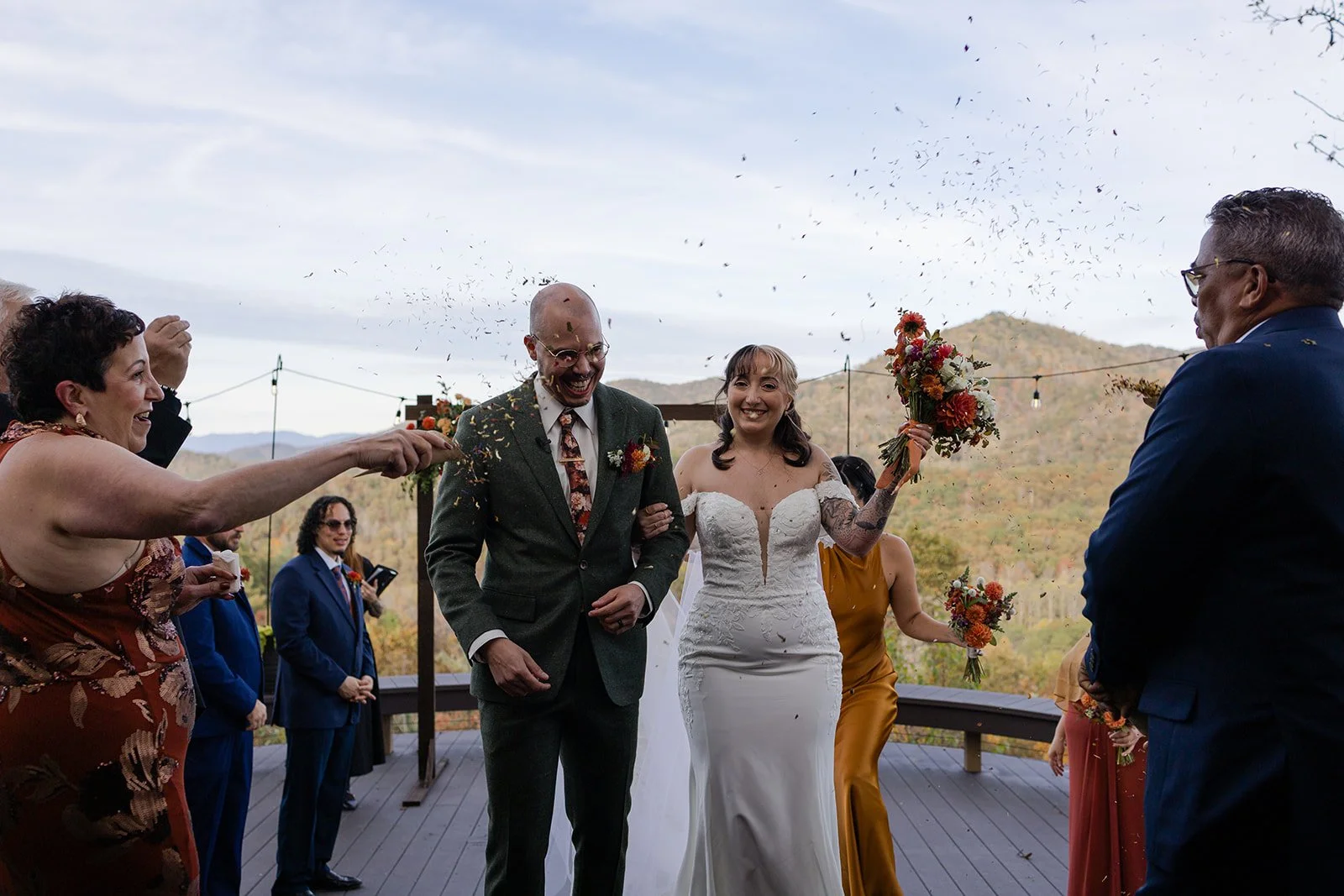
At the end of the day, a micro-wedding isn’t defined by how much you spend, but by how intentionally you spend it. When you understand your options, clarify your priorities, and choose vendors who truly align with your vision, your wedding day becomes less about managing a budget and more about being present for the moments that matter most. There is no single “right” way to plan a micro-wedding—only the way that feels most like you.

Planning a Micro-Wedding?
Hi, we’re Becca and Hannah! Your micro- wedding Photography and Planning Team!
We’re more than just the vendors setting up table decor and shooting posed portraits after your ceremony.
We’re here to create a safe and community driven space for you to make your meaningful wedding vision a reality, without you having to do any of the heavy lifting!
Micro wedding planning is our absolute jam, so if you’re interested, reach out here to schedule your free consultation with us!